
About US
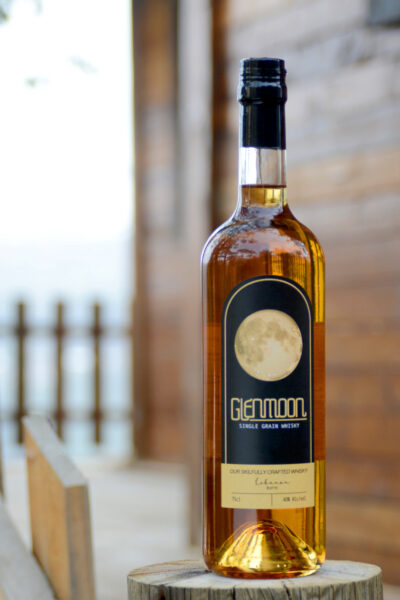
Glenmoon the Single Grain Whisky.
Born in an ideal Lebanese Climate at 1080 meters of altitude, this whisky has smooth, Oak hints and fruity notes which deliver an increased complexity and depth of flavors.
Pure, full of natural flavors, it is a new style of Whisky, not like blends, not like Malts. It is deliciously different.
The grains, rye & wheat, once dried, are harvested in the summer.
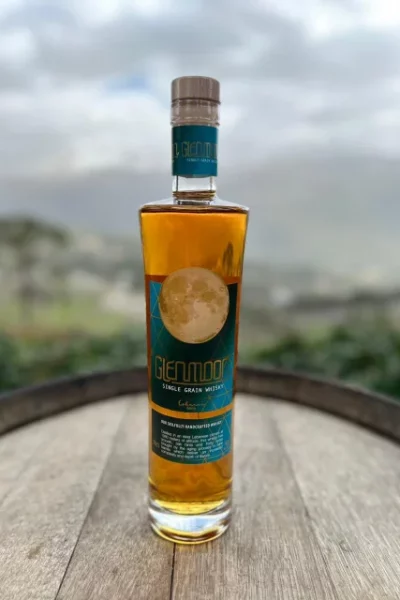
The Beqaa Valley is Lebanon's most important farming region. Other industry also flourishes in Beqaa, especially that related to agriculture.
From the 1st century BC, when the region was part of the Roman Empire, the Beqaa Valley served as a source of grain for the Roman provinces of the Levant. Today the valley makes up 40 percent of Lebanon arable land. The northern end of the valley, with its scarce rainfall and less fertile soils, is used primarily as grazing land by pastoral nomads. Farther south, more fertile soils support crops of wheat, rye, maize, cotton and vegetables, with vineyards and orchards… The region receives limited rainfall.

About the Founder
Rani Sawaya AKA Savoy
At an early age, Rani became fascinated with the world of whisky, by traveling the world and exploring the huge variety of famous distilleries.
Soon after, he started collecting rare and unique bottles from different parts of the Globe.
He always dreamt of making his own brand one day, and finally this day has come.
He chose for the brand to carry his wife’s name as an homage to his love.

How To Taste Whisky
Whisky – What you need is a guide, and who is better than your good self to help you discover the drams you’ll love…
Tasting is the key to this delightful conundrum, and here we’ll take you through the basic techniques used to guide your senses into fully appreciating a fine whisky tasting.
Take notes! Notes are all-important. You might think you’ll remember but, as you know, this is unlikely. So it’s vital you write everything down.
How to drink?
This, we leave up to you. But it isn’t out of the question to have it on the rocks, or in a long drink. It is even worthy of sipping neat, as you would a single malt whiskey.
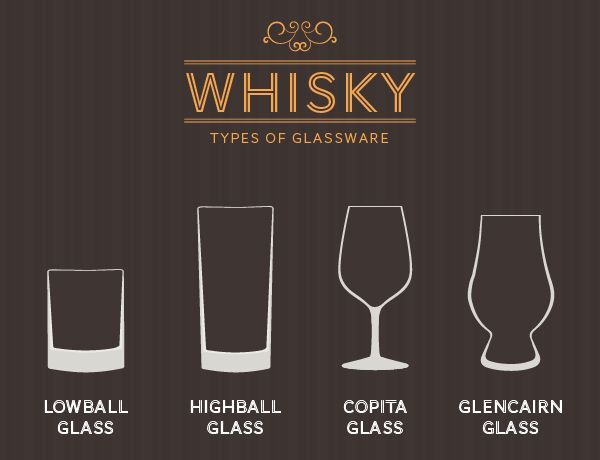
So you have a glass.
What Next?
Appearance – it’s not everything but it’s worth noting none the less. What does it look like?
Think of easily recognizable objects from the world around you – golds, ambers, yellows, the sun-burnished skin of a ripe peach… These can be evocative, even poetic: ‘the sun-bathed bark of an English oak on an October afternoon’ are simply more compelling than ‘yellow gold’.
You’ll also need the right whisky glassware. You know that obviously, but wait! There’s an industry standard shape found at whisky tastings the world over, glasses specifically designed to capture the congeners and direct them towards your expectant nose.
Shaped like an elongated sherry glass with a stubby stem, it allows you to swirl, sniff and sniff again.
The nose
Ah yes, the nose. This is perhaps the most important part of assessing a whisky. As most experts will say, tasting is simply to confirm what your nose has already told you.
But what does it tell you? First, give the whisky a swirl to release the aromas then carefully bring it to your nose. Be warned don’t shove your nose into anything so go easy, and sniff.
Search your mind for nostalgia! Smells are often linked to memories: grandfather’s desk (leather, wood, age, mustiness), Christmas with the family (Christmas cake, dried fruits, sultanas, port), a hayloft in summer (dried grass, wood), a barbecue on the beach (salt, smoke, seaweed, cricket). Everyone will have their own memories, thus everyone will find their own descriptive flights of fancy.

The palate
Now, to the tasting part of your whiskey tasting. As well as confirming or disabusing those impressions gleaned by the nose, pay attention to the feel of the whisky in your mouth, or mouthfeel if you will. Is it soft and rolling or hot and immediate? Is it drying (tannins) or refreshing and lively? You should also pick up any sweetness, or lack of, in the whisky, as well as those other basic flavours courtesy of the tongue. Your palate will also tell you how the whisky is structured. Is there a definite beginning, middle and end to this story? When are different tastes introduced? And does it have a satisfying conclusion?
After swallowing the whisky, what are you left with? This, unsurprisingly, is the finish. Is it short, medium or long? Dry or smooth? Are there new flavours to be found now things have quietened down a bit?
Water
And now, it’s time to do it all again, but this time, add some water! Whether you normally take your whisky with water is of course down to personal taste, but when tasting whisky, adding a drop or two of H2O is simply a way of gleaning more information. Water opens up a whisky, revealing the intricate workings of a dram’s flavour, helping you identify the constituent parts more easily. And remember that sniffing and sipping a few times will quickly numb your nose and your palate, so bear this in mind.
Last, but perhaps most importantly, shared whisky tasting is the best way of eliciting every last drop of satisfaction. Get your friends round, go to a whisky bar and Enjoy!